Leave A Message
If you are interested in our products and want to know more details,please leave a message here,we will reply you as soon as we can.

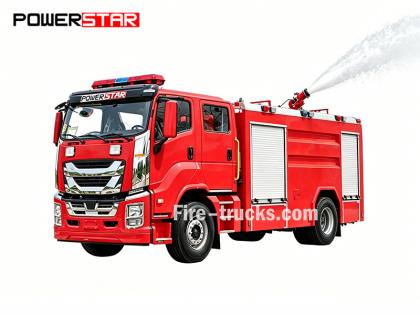
can a water sprinkler truck be used for firefighting
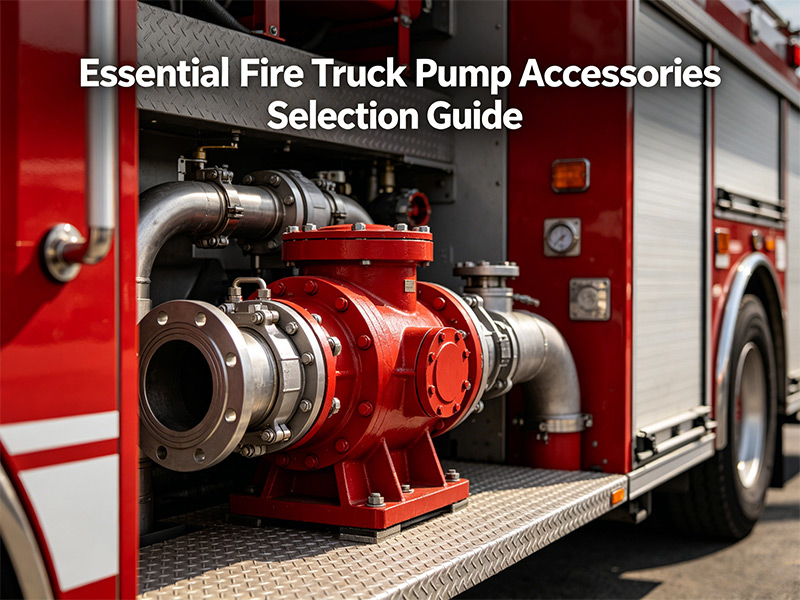
A fire truck pump system is only as reliable as its components. From drawing water from a source to discharging it at high pressure, every accessory plays a critical role. This guide covers fire truck five key accessory categories: primers, ball valves, globe valves, foam proportioners, and hydraulic control systems. Understanding these components helps firefighters maintain their equipment a...
Read More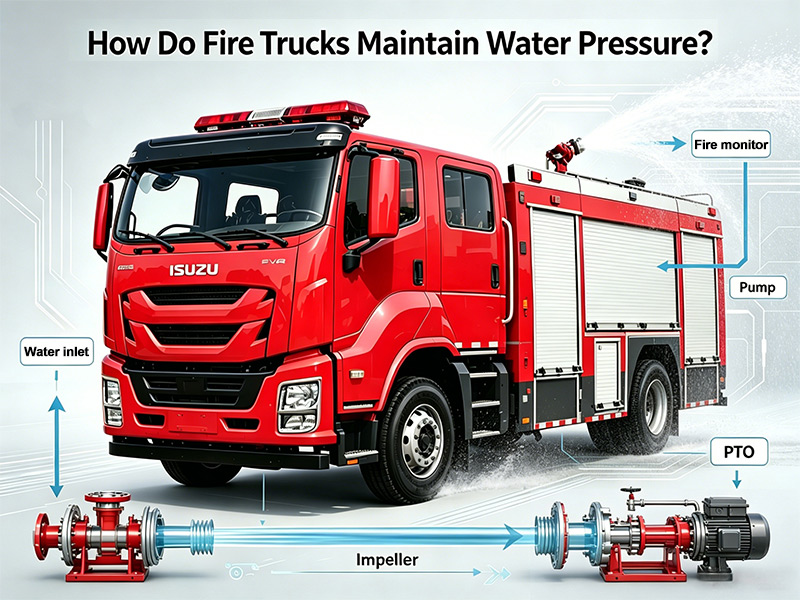
Water pressure is the driving force behind every firefighting operation. Without adequate pressure, water cannot reach the fire, penetrate burning materials, or be effective. Fire fighting trucks must not only generate pressure but also maintain it consistently throughout the entire firefighting operation. This article explains how fire trucks produce, control, and sustain water pressure, covering...
Read More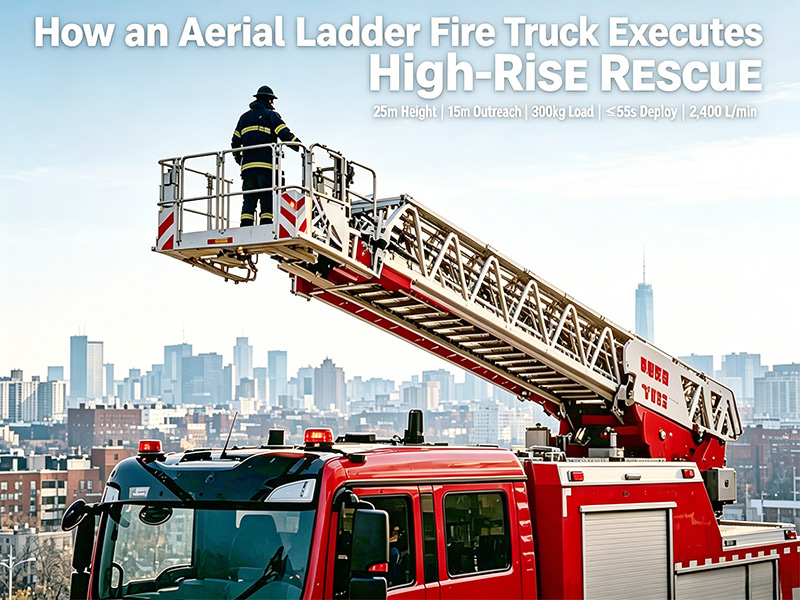
High-rise buildings present unique challenges for firefighting and rescue operations. Traditional ground-based equipment often lacks the reach needed to access upper floors from the outside. This is where aerial ladder fire trucks become indispensable. The YT25 aerial ladder fire truck, with a maximum working height of 25 meters and outreach of 15 meters, is specifically designed for such scenario...
Read More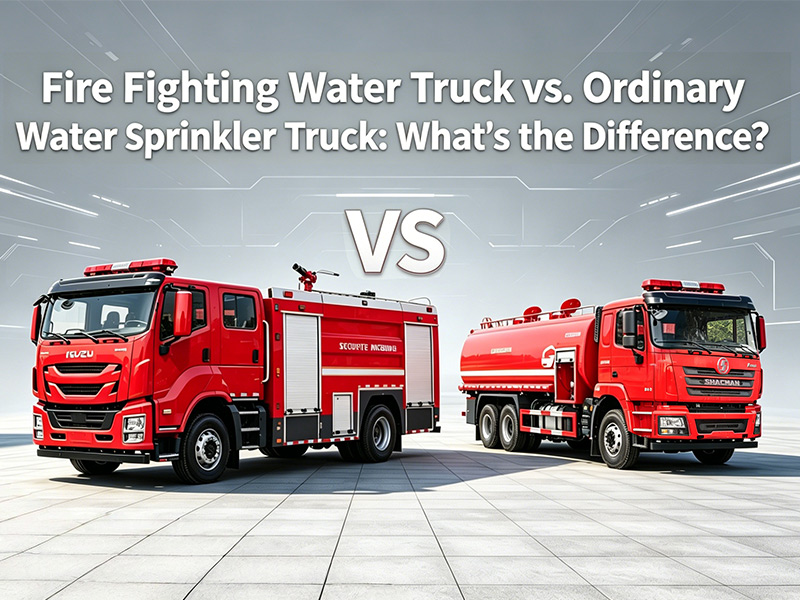
A fire fighting water truck and an ordinary water truck may look similar. Both are large vehicles with water tanks, pumps, and hoses. However, their design, components, and intended purposes are fundamentally different. This article explains the key differences between fire fighting water trucks (also known as multi-purpose water trucks or forest fire trucks) and ordinary water trucks fr...
Read More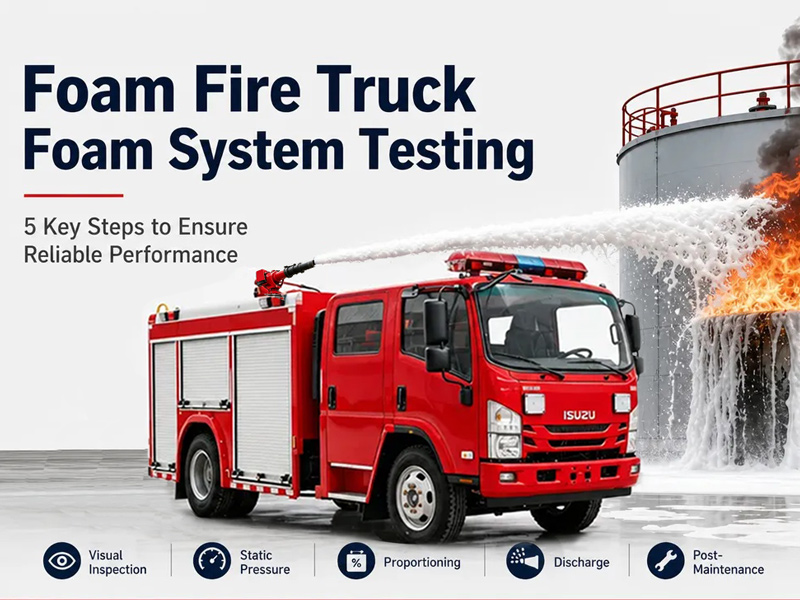
The foam fire truck is the core equipment for fighting flammable liquid fires. By precisely mixing foam concentrate with water at ratios of 1%, 3%, or 6% (accuracy ±0.5%), this foam fire truck delivers a uniform foam blanket for jet fuel fires at airports or tank fires at refineries. Its stainless steel foam tank and intelligent proportioning system ensure zero mixing errors, increasing fir...
Read More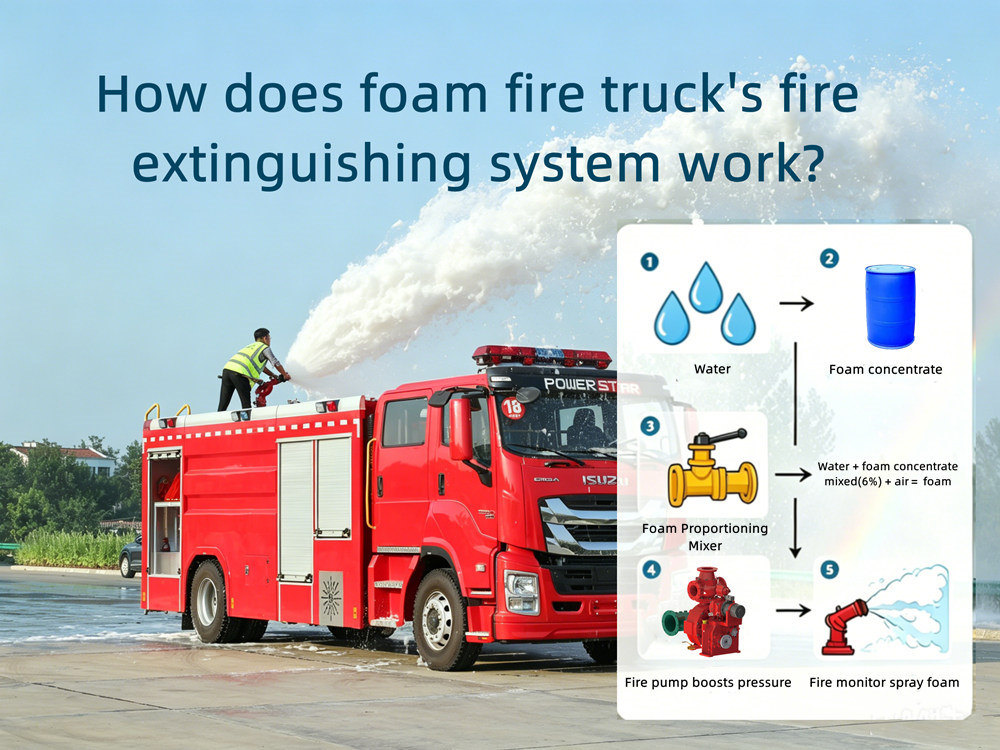
» The Underlying Logic of Foam Fire Extinguishing ★. Why can't water extinguish oil fires? • Density difference: Water is heavier than oil and sinks directly to the bottom, never touching the flame. • Boiling over: The water at the bottom vaporizes instantly upon contact with high temperatures, expanding thousands of times in volume, splattering the o...
Read More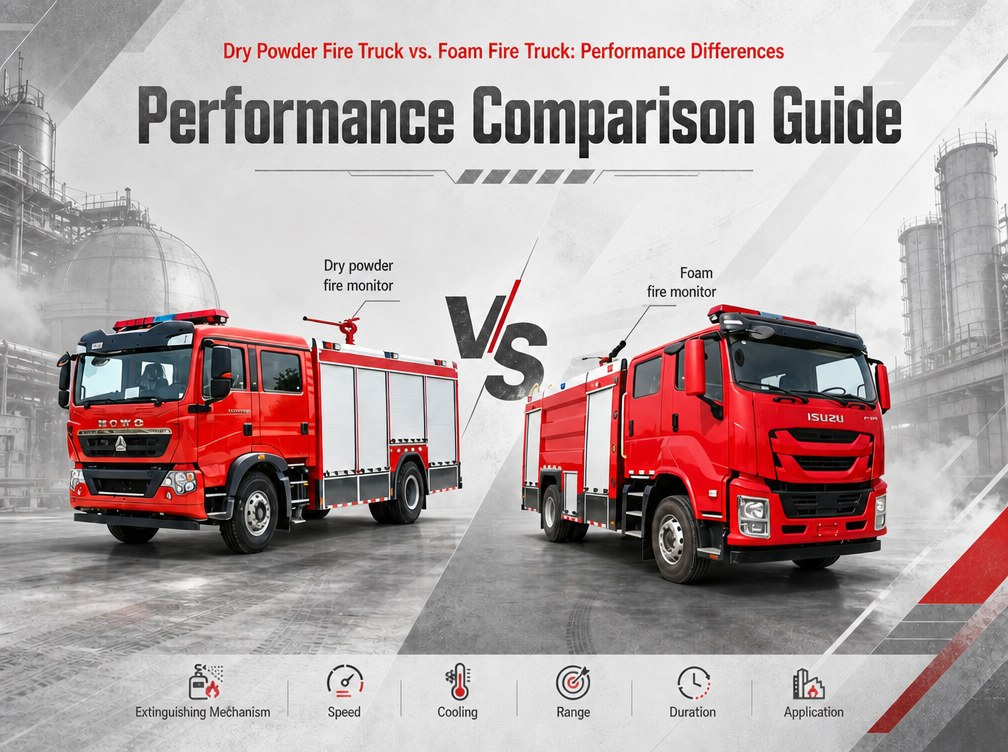
A compressed air foam system (CAFS) fire truck and a dry powder fire truck may both be used for fighting flammable liquid and gas fires. Both are specialized vehicles designed to handle Class B and Class C hazards. However, their extinguishing agents, working principles, and application scenarios are fundamentally different. This article explains the key differences between dry powder fi...
Read More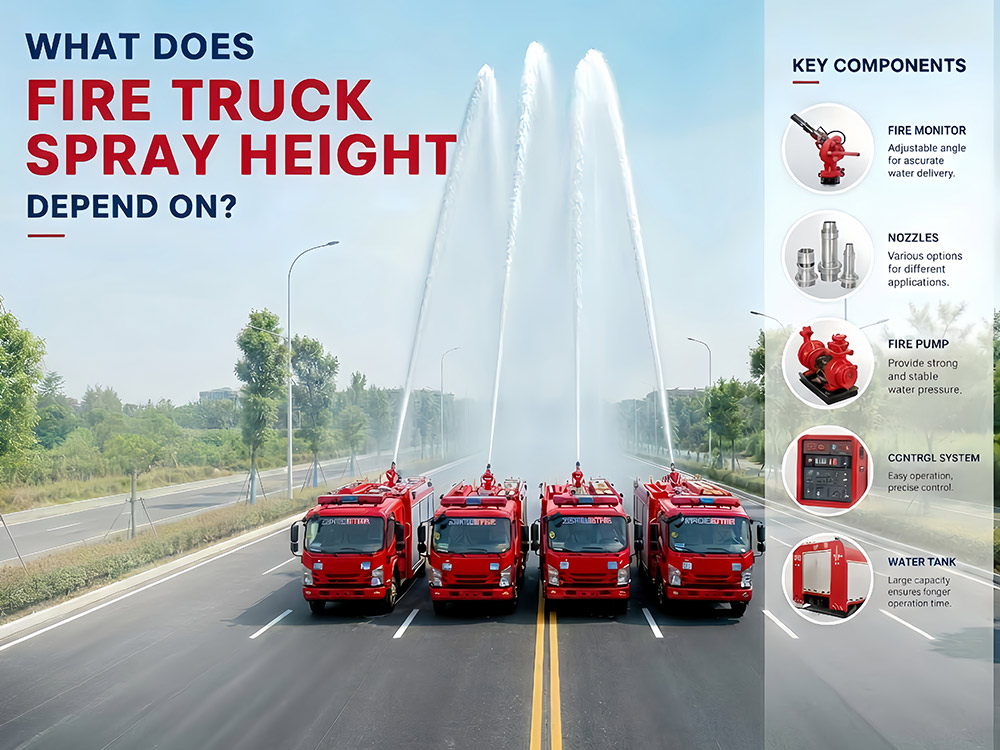
The fire truck pump and spray system is the core of firefighting operations. It acts as the "powerful arm" of the fire truck. By converting engine power into pressure (ranging from 0.8 to 1.4 MPa), it delivers extinguishing agents to heights of up to 85 meters — whether it is a high-rise building fire in a dense city center or a petrochemical storage tank fire in an industrial zone, the fire...
Read More


Please subscribe latest fire trucks news, and Warmly welcome to tell us what you think.

 IPv6 network supported
Links :
ISUZU Trucks
CEEC Trucks
CS Trucks

 English
 français
 Deutsch
 русский
 italiano
 español
 português
 Nederlands
 العربية
 日本語
 한국의
 Türkçe
 Melayu
 ไทย
 Tiếng Việt
 Indonesia
 中文
 қазақ
 Filipino
 မြန်မာ
 српски